
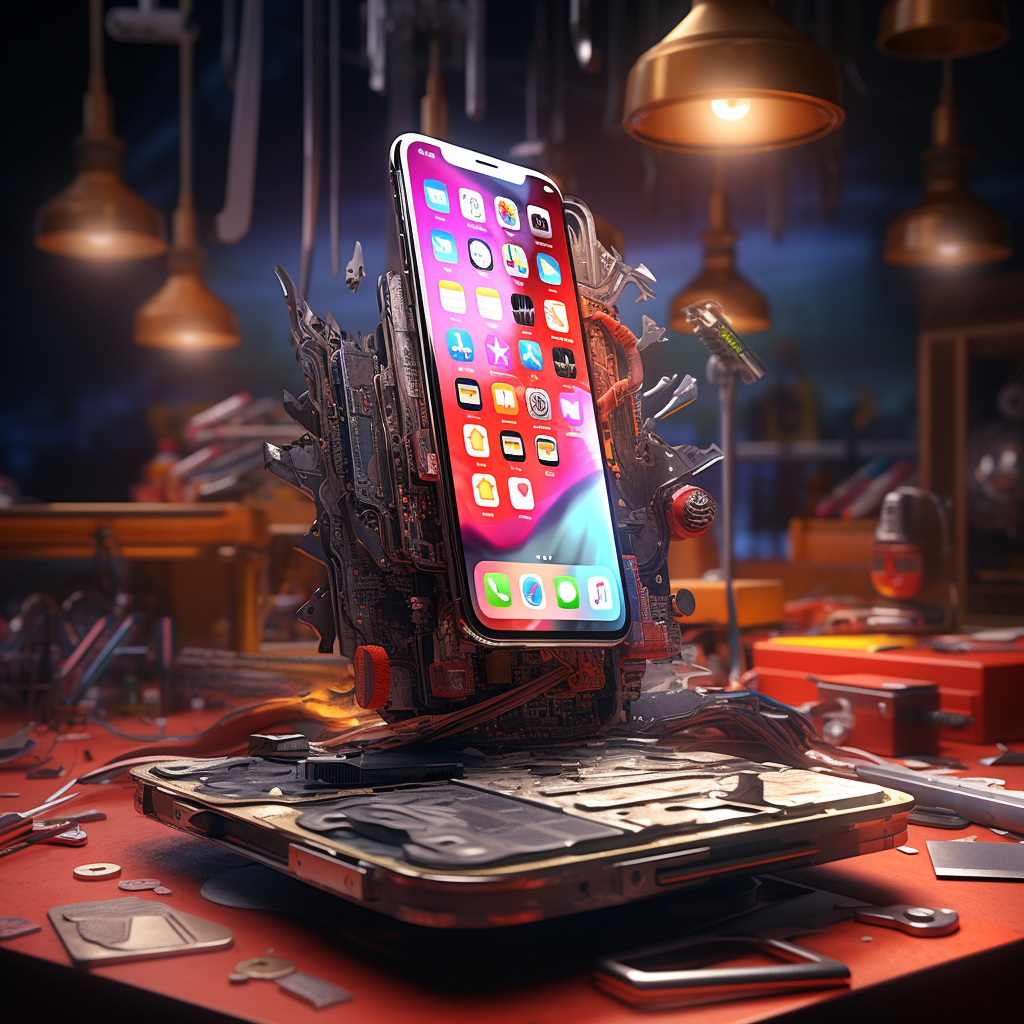
You've just upgraded to the latest iPhone, and now you're left with your trusty old device, packed with memories, messages, and more. But what happens to that old iPhone when you trade it in? From ensuring data security to sustainable recycling, let's delve into the fascinating journey your old iPhone undergoes.
1. Trading-In with "Sell My iPhone"
The first step in our iPhone's lifecycle begins when you decide to trade it in. SellMyiPhone offers a seamless process to determine the value of your device based on its age, model, and condition. Within a few clicks, you receive a quote and instructions on sending your device in.
2. Data Wiping using MobiOne
The greatest concern for many users is the security of their personal data. Fortunately, once your iPhone reaches the facility, it undergoes a rigorous data-wiping process using MobiOne. This ensures that all your photos, messages, apps, and other personal information are permanently deleted.
3. Refurbishing Process
After ensuring data security, the next step is the refurbishing process. This involves:
- Inspection: Professionals check the device for physical damage, battery health, and software glitches.
- Repairs: Any faulty parts, such as a malfunctioning camera or a cracked screen, are replaced with genuine parts.
- Quality Control: The refurbished iPhone undergoes stringent quality control tests to ensure it performs just like a new device.
4. Reselling
Once refurbished, it's time for the iPhone to find a new home. Platforms like RueZone are instrumental in this phase. RueZone lists refurbished iPhones, detailing their condition, and specifications, and providing a renewed warranty. Buying refurbished iPhones gives customers a cost-effective alternative to brand-new devices and promotes sustainability by extending the device's lifespan.
5. The End-of-Life: Recycling
But what happens if your old iPhone can't be refurbished? Sustainability is still the mantra. iPhones are known for their high-quality materials, many of which are recyclable.
- Material Separation: The iPhone is deconstructed, and materials like aluminium, copper, and tin are separated.
- Sustainable Recycling: These materials are processed and recycled, ensuring they find their way into new products, reducing the demand for virgin resources.
In Conclusion
The lifecycle of your old iPhone is a testament to the evolving sustainable practices in the tech industry. By trading in your device, you're not just ensuring data security or getting extra cash. You're contributing to a larger cycle of sustainability, giving your iPhone a chance at a second life, and ensuring that it gives back to the earth in the most eco-friendly way possible at the end of its journey.
So, the next time you consider upgrading, remember the journey your old iPhone can embark on, and be a part of this incredible lifecycle.