
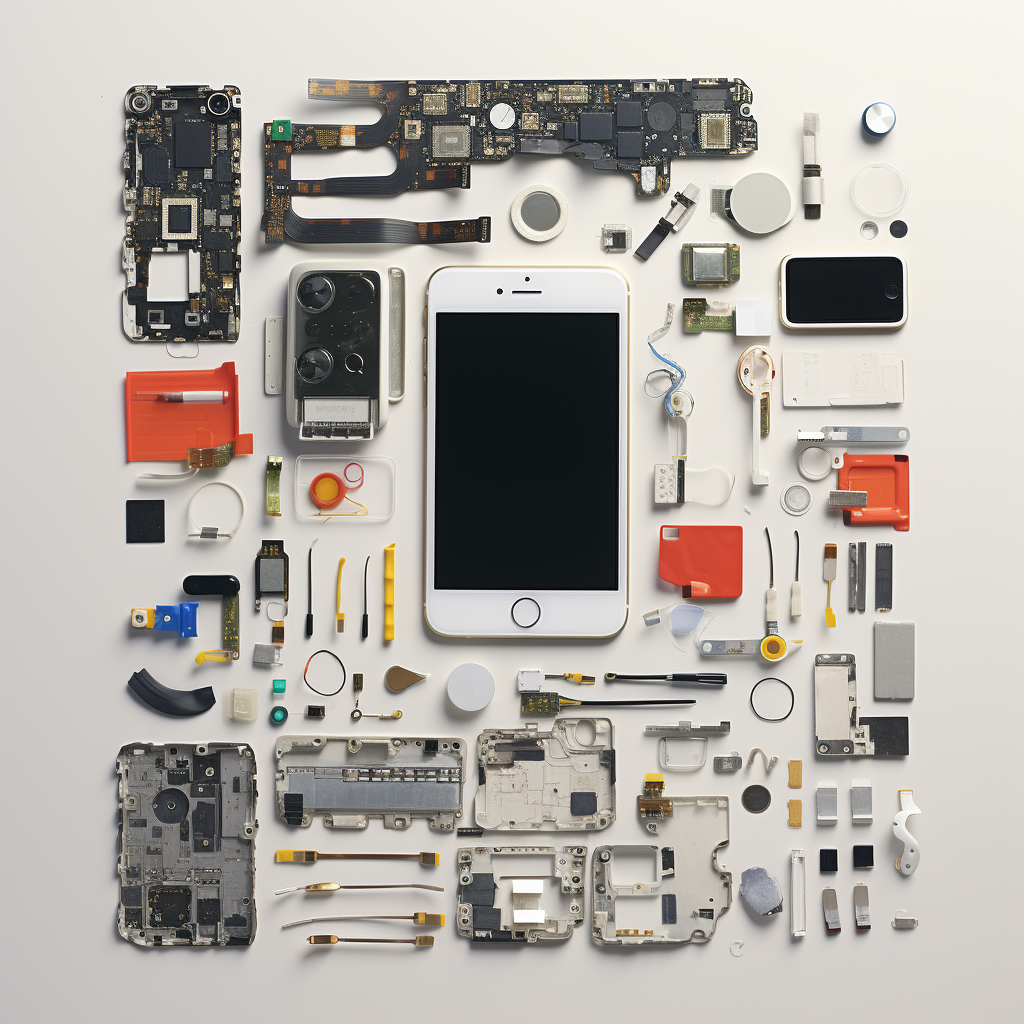
In the debate between upcycling and recycling smartphones, both practices offer unique benefits for the environment and consumers. Here’s a closer look at each approach:
Upcycling Smartphones
Upcycling involves repurposing existing smartphones to extend their lifespan. This can involve software updates and hardware modifications. By keeping phones out of landfills longer, upcycling significantly reduces electronic waste. This practice is particularly important considering the toxic materials like cobalt and nickel found in smartphones, which can harm the environment when disposed of improperly.
Recycling Smartphones
Recycling breaks down smartphones into their base materials, allowing for the recovery and reuse of valuable resources like gold, silver, and rare earth elements. This practice helps reduce the need for new raw material extraction. Recycling supports the circular economy by keeping materials in use for as long as possible, reducing the overall environmental impact of consumer electronics. Apple uses this approach by employing recycled and hydroelectricity-smelted aluminum in products like MacBooks, iPads, and various other devices. Apple has stated that this approach has led to a 72% decrease in the carbon footprint of its aluminum-related production activities since 2015.
Samsung has also taken a similar approach, aiming for zero waste to landfills from its mobile operations by 2025, along with implementing extra strategies to minimize electronic waste. This includes enhancements throughout its product lifecycle, adopting sustainable design principles, and enhancing recycling initiatives.
Conclusion
Both upcycling and recycling smartphones have their place in reducing environmental impact. Upcycling is ideal for extending the life of devices and reducing waste, while recycling is crucial for material recovery and safe disposal of hazardous components. The choice between the two depends on the condition of the phone and the resources available for either process.